
Effective Fall Management of Invasive Cool-Season Grasses: Strategies for Healthier Native Grasslands
Fall is the perfect time to address the encroachment of invasive cool-season grasses, such as smooth brome or fescue, in native warm-season grasslands. These non-native species can hinder the growth of your desired warm-season grasses, but with a strategic approach, you can reclaim your grasslands for better forage and diversity.
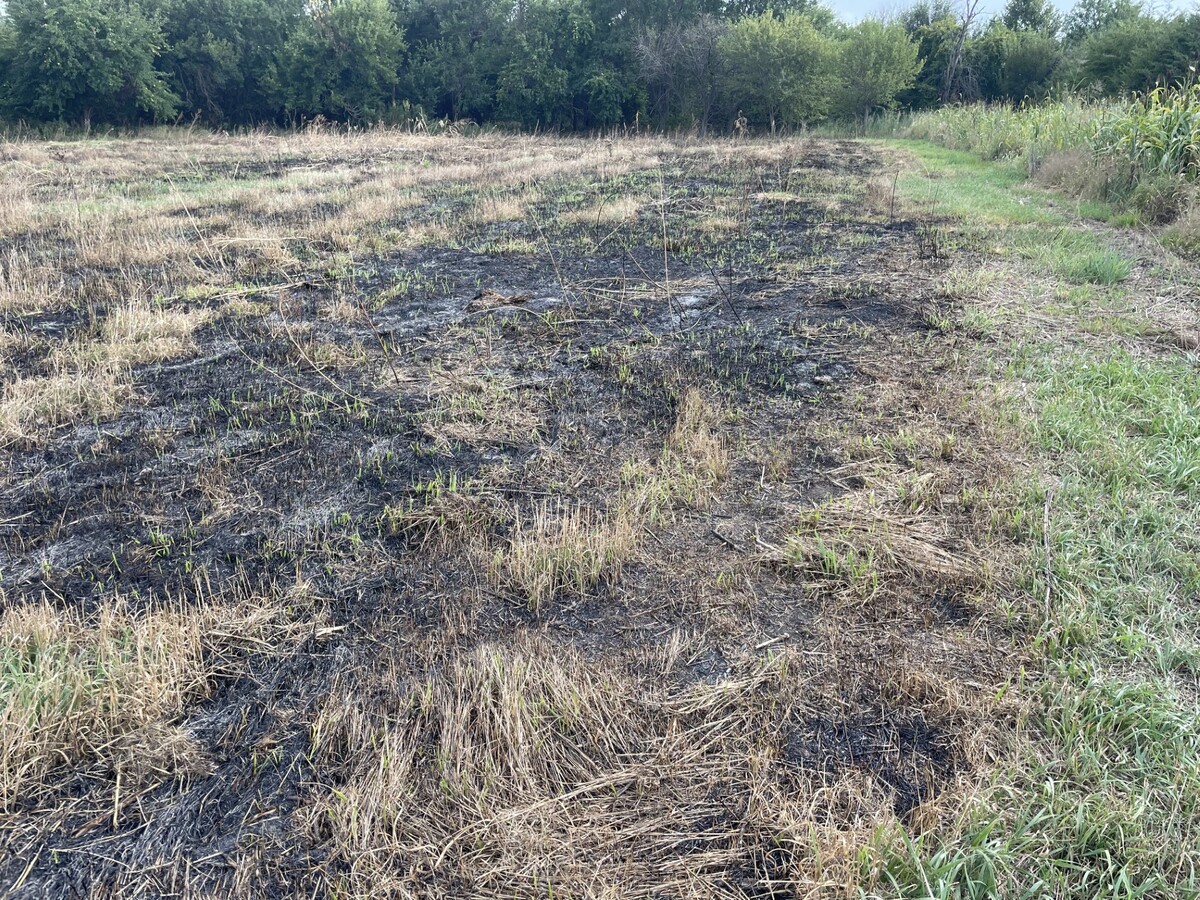
season burn prior to a herbicide application.
One of the most effective strategies involves using a combination of management techniques, including prescribed burning and herbicide application. A late growing season burn or early fall burn helps to remove dead vegetation, which often obstructs effective herbicide contact with the growing shoots of cool-season grasses. After the burn, it is recommended to apply a glyphosate-based herbicide about a week after a killing frost. This ensures that your native warm-season grasses are in dormancy and won’t be negatively impacted by the herbicide.
If burning isn't an option, late-season haying or grazing can also reduce the vegetation, improving herbicide contact with the invasive grasses. These approaches give you an opportunity for a second treatment in early spring, allowing you to assess the success of your initial chemical application and reapply if necessary before the native warm-season grasses begin to grow.
Be sure to follow the herbicide label instructions carefully, paying attention to application temperatures, with warm afternoons often being the most effective time for plants to absorb the herbicide. Once the invasive competition is knocked back, native grasses will respond quickly, resulting in improved forage, plant structure, and biodiversity.