The Power of Prescribed Fire in Managing Grasslands
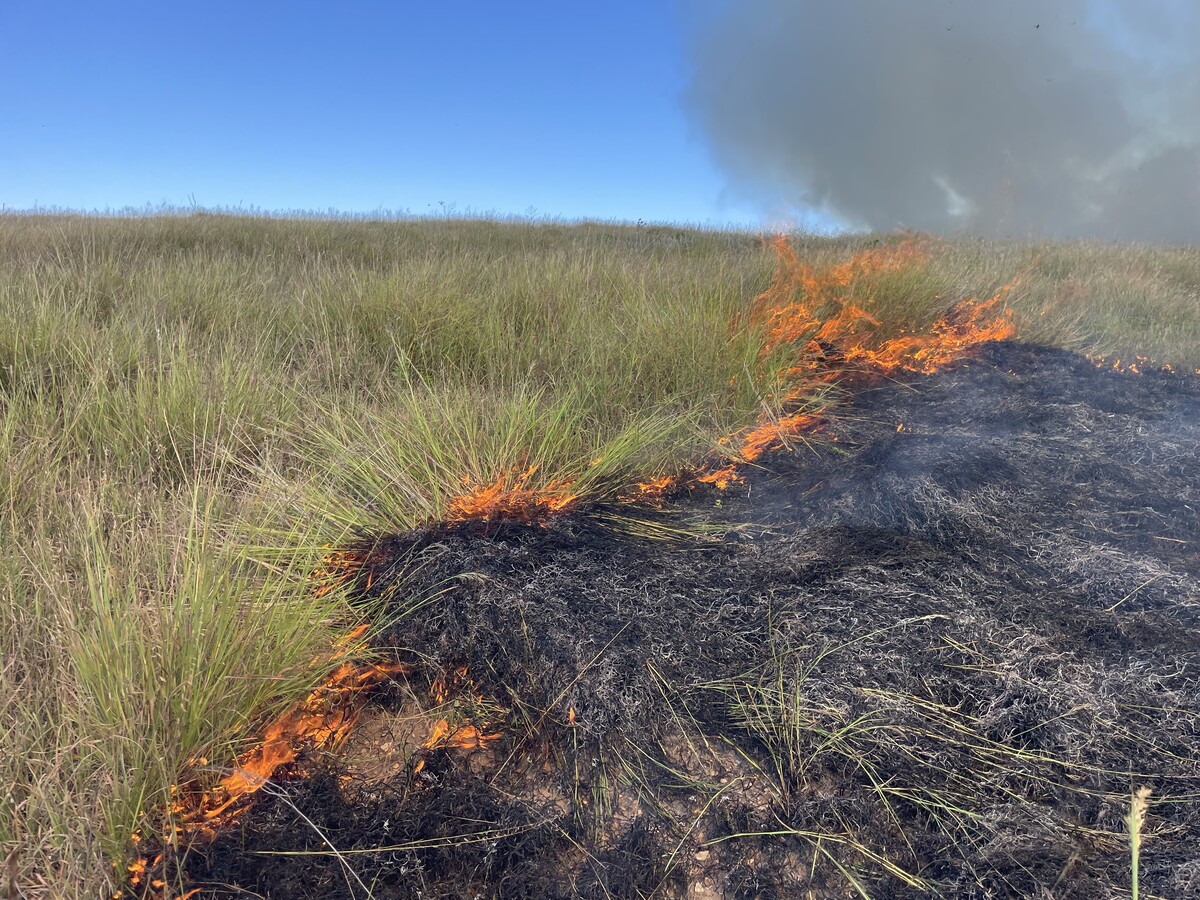
Prescribed fire is a powerful tool when it comes to managing invasive species in grasslands. Often, invasive plants like sericea lespedeza and old world bluestem are difficult to control with herbicides alone. A combination of management actions, including growing season burns, can be an effective strategy when herbicide use becomes too costly, time-consuming, or negatively impacts beneficial plants.
For a growing season burn to be most effective, the fire requires sufficient fuel or duff to carry. You may need to adjust your grazing schedule to ensure enough plant material is available to fuel the fire. The ideal time for a growing season burn is in August or September, aiming to prevent invasive plants from producing viable seeds. Even though there will still be seeds in the seedbed, reducing seed production for just one year can have a significant impact.
Species like old world bluestem can also be effectively managed with growing season burns. The more dead material, or duff, that accumulates around the base of these plants, the better the results. This duff heats up and damages the undesirable plants while leaving native species unharmed.
A growing season burn is not only a cost-effective method but also a sustainable approach to grassland management. By incorporating this practice into your land management strategy, you can better control invasive species and promote the health of your native grasslands.